

The activewear world is having a fabric identity crisis.
On one side, people want cleaner, more natural materials. Organic cotton, bamboo, merino wool, hemp, and other plant-based fibers sound beautiful: breathable, soft, less “plastic,” and more connected to the body. On the other side, the leggings, rompers, sports bras, and sculpting sets we actually reach for during Pilates, yoga, walking, strength training, or long days running errands are usually made with synthetic fibers like nylon, polyester, and spandex.
So the real question is not just: Can activewear be made from natural fibers?
It is: Can natural fibers perform the way modern activewear needs to perform long term?
The honest answer is: sometimes, but not always.
The Case for Natural Fibers in Activewear
Natural fibers absolutely have a place in the wellness and fashion space. Organic cotton, merino wool, bamboo-derived fibers, hemp, and other plant-based materials can feel soft, breathable, and comfortable against the skin.
Cotton, for example, is loved because it is soft, breathable, and familiar. Merino wool is known for temperature regulation and odor resistance, which is why it is often used in base layers and outdoor performance clothing. Some newer textile innovations also improve cotton’s moisture management and durability, making it more suitable for activewear than traditional cotton fabrics.
From a sustainability perspective, natural fibers can also feel like the more intuitive choice. They are not petroleum-based in the same way traditional synthetics are, and many consumers are trying to reduce their reliance on plastic-based fabrics. Textile Exchange notes that synthetic fibers are commonly made from fossil-fuel-derived resources, while Good On You has also highlighted the growing demand for polyester-free activewear alternatives.
For low-impact movement, lounge, layering, casual walks, travel days, or soft everyday basics, natural-fiber activewear can be beautiful and practical.
Think: cotton ribbed tanks, organic cotton lounge shorts, merino base layers, bamboo-blend tees, or relaxed yoga pieces.
But when activewear needs to sculpt, stretch, recover, support, and stay smooth after repeated wear, the conversation gets more complicated.

Where Natural Fibers Struggle
The main challenge with natural fibers is that most of them do not naturally behave like performance activewear.
A great pair of leggings or a sculpting romper needs to do several things at once:
It needs to stretch with the body.
It needs to recover after stretching.
It needs to hold shape.
It needs to manage sweat.
It needs to dry reasonably fast.
It needs to resist friction, pilling, sagging, and sheerness.
It needs to feel comfortable but still supportive.
That is where 100% natural-fiber activewear can run into problems.
Traditional cotton absorbs moisture instead of moving it away quickly. Moisture-wicking fabrics are designed to pull sweat to the outer surface and dry quickly, which helps keep the fabric from feeling wet or sticky during movement.
Cotton can be breathable, but when it gets wet, it can feel heavy, clingy, and slow to dry. For a soft lounge top, that may not matter. For a high-waisted legging, fitted romper, or supportive sports bra, it matters a lot.
Natural fibers also usually need help with stretch. A 100% cotton or 100% wool garment may feel soft, but it will not usually offer the same sculpting compression or snap-back recovery as a fabric blended with spandex or elastane.
That is why even many “natural” activewear pieces still contain some synthetic fiber. A cotton legging often includes spandex. A merino performance top may include nylon for durability and elastane for stretch. The blend is what makes the garment move better, last longer, and keep its shape.
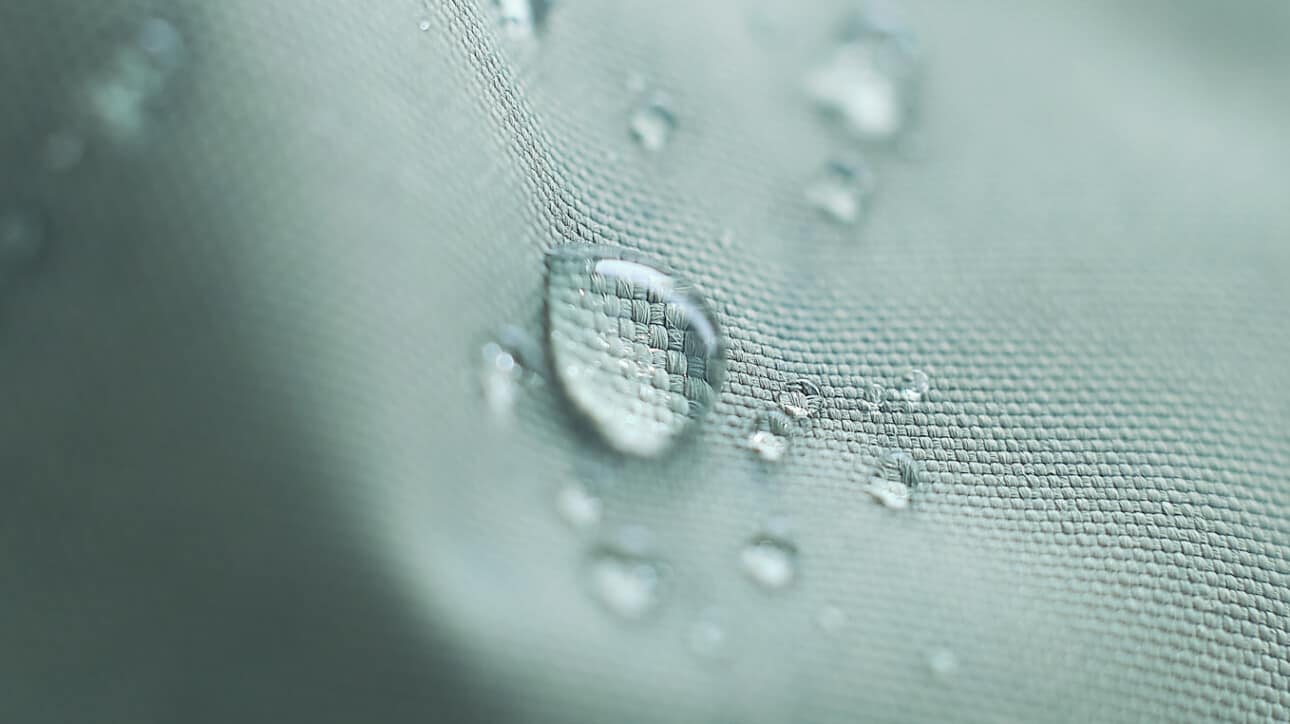
Why Synthetic Fibers Became the Standard for Activewear
There is a reason nylon, polyester, and spandex became so common in activewear: they are engineered for movement.
REI explains that nylon and polyester are widely used in activewear because they wick moisture, dry quickly, and resist pilling and abrasion. Spandex is commonly added because it gives fabric stretch and recovery, which is what helps a fitted piece move with you instead of stretching out permanently.
This is especially important for pieces like leggings, bike shorts, unitards, rompers, and sports bras. These garments are not just “clothes.” They are functional pieces that need to perform under tension.
A sculpting activewear fabric has to hold you in without restricting you. It has to move through squats, Pilates lunges, downward dog, errands, coffee runs, and wash cycles. It has to feel flattering the first time you wear it and still look good after many wears.
That is where nylon and spandex blends can be especially practical.
Nylon tends to feel smoother and more premium than many basic polyester fabrics. It is strong, flexible, and often used when brands want a soft but supportive hand feel. Spandex adds the stretch that gives activewear that second-skin feeling.
For a brand like Sabel, which focuses on flattering, sculpting, elevated activewear that works beyond the workout, a nylon-spandex blend makes sense. It gives the fabric the structure and recovery needed for pieces that are fitted, feminine, and movement-friendly.
The Sustainability Debate Is Not One-Sided
It would be easy to say “natural is good” and “synthetic is bad,” but fabric sustainability is more layered than that.
Natural fibers can be renewable and breathable, but they still require land, water, farming, processing, dyeing, transportation, and finishing. Synthetic fibers can be less natural and petroleum-based, but they can also be durable, long-lasting, and highly functional.
Durability matters because a garment that lasts longer may be worn more times before it needs replacing. A poorly performing natural-fiber legging that stretches out, becomes sheer, or loses shape quickly is not automatically the more sustainable choice if it ends up sitting unworn or being replaced sooner.
At the same time, synthetic fibers do come with real concerns. Textile Exchange notes that synthetics are derived from fossil-fuel resources, and many sustainability conversations around activewear also include concerns about microfibers and chemical finishes.
The better question is not “natural or synthetic?”
It is: What fabric is best for the purpose of the garment, and how can it be made, used, washed, and kept responsibly?
So, Can Activewear Be Made From Organic Natural Fibers?
Yes, but with limits.
Natural fibers can work beautifully for:
Soft yoga tops
Lounge sets
Lightweight tanks
Low-impact pieces
Layering styles
Relaxed shorts
Travel and everyday basics
Gentle movement clothing
But for high-stretch, body-hugging, sculpting, sweat-friendly pieces, fully natural fibers often struggle to deliver the same level of performance.
For fitted activewear, the most practical solution is usually a blend. That might mean natural fibers blended with spandex, or performance synthetics like nylon and spandex designed for comfort, stretch, and longevity.
That is why so much premium activewear still relies on synthetic performance fibers. Not because natural materials are bad, but because movement clothing has different demands than regular clothing.
:max_bytes(150000):strip_icc()/tights-on-the-market-530851777-0eb010ecc4c841fba5510b0497652870.jpg)
Why Sabel Uses Nylon and Spandex
At Sabel, our pieces are designed to feel elevated, flattering, and wearable beyond the workout. We create activewear for Pilates, yoga, walking, coffee runs, travel days, and everything in between.
That means our fabrics need to do more than feel soft on a hanger.
They need to stretch.
They need to sculpt.
They need to recover.
They need to support.
They need to feel smooth against the skin.
They need to keep their shape after movement and washing.
That is why we use nylon and spandex blends in many of our pieces. The goal is to create activewear that feels premium, moves beautifully, and actually lasts in your wardrobe.
Natural fibers are inspiring, and the future of activewear will likely include more innovation around bio-based stretch fibers, plant-derived yarns, recycled synthetics, and lower-impact blends. But right now, for sculpting activewear that performs, nylon and spandex remain one of the most functional choices.

The Bottom Line
Organic natural-fiber activewear sounds beautiful, and in some categories, it absolutely works. But for fitted, sculpting, high-stretch activewear, synthetic performance fibers are still hard to beat.
The best activewear fabric is not always the one that sounds the most natural. It is the one that matches the purpose of the piece.
For a loose tee, organic cotton may be perfect.
For a sculpting romper, supportive bra, or second-skin legging, nylon and spandex usually make more sense.
At Sabel, we believe activewear should feel beautiful, perform well, and live beyond the workout. That means choosing fabrics intentionally, not just based on trends, but based on how they move, feel, fit, and last.
Because the most sustainable piece in your closet is often the one you actually love wearing again and again.