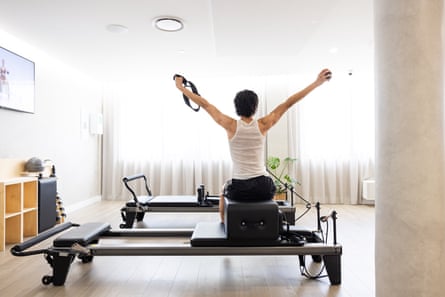
More than just a workout, Pilates is a holistic mind-body exercise system designed to strengthen, lengthen, and balance the body, fostering a profound connection between movement and breath. Whether you're an athlete looking to improve performance, someone seeking relief from back pain, or simply aiming for a stronger, more flexible body, Pilates offers a unique path to achieving your wellness goals. This comprehensive guide will delve into what Pilates truly is, explore its myriad benefits, differentiate between its popular forms, and provide actionable advice for beginners eager to embark on their Pilates journey.
What Exactly is Pilates? At its heart, Pilates is a method of exercise that focuses on strengthening the body with an emphasis on core strength, flexibility, balance, and improved posture. It's a low-impact workout that can be adapted for all fitness levels, from rehabilitation patients to elite athletes.
The Origins: Joseph Pilates' Vision Pilates was developed in the early 20th century by German physical trainer Joseph Pilates. Originally named "Contrology," his method was conceived as a way to rehabilitate injured soldiers during World War I, helping them regain strength and mobility. Joseph Pilates believed that mental and physical health were interconnected, and he designed his exercises to integrate mind, body, and spirit. He emphasized quality of movement over quantity, focusing on precise, controlled motions.
Core Principles of Pilates
Joseph Pilates established six foundational principles that guide every Pilates exercise. Understanding these principles is key to unlocking the full potential of your practice:
Centering: All Pilates exercises originate from the "powerhouse" – the core muscles of the abdomen, lower back, hips, and glutes. This central focus provides stability and strength for all movements.
Concentration:Full attention to each movement is crucial. This mindful approach helps to ensure proper form and maximizes the effectiveness of each exercise.
Control:Every movement should be executed with deliberate control, avoiding momentum or sloppy form. This precision helps to engage the correct muscles and prevent injury.
Precision: Each exercise has a specific purpose and exact form. Paying attention to the details of alignment and movement ensures optimal results.
Breath: Proper breathing is integral to Pilates. It helps to oxygenate the muscles, facilitate movement, and connect the mind and body, often exhaling on exertion.
Flow: Pilates movements are designed to be fluid and graceful, transitioning smoothly from one exercise to the next. This creates a continuous, dance-like quality that enhances stamina and coordination.
The Transformative Benefits of Regular Pilates Practice
Consistent Pilates practice offers a wide array of physical and mental benefits that can significantly improve your overall quality of life.
- Enhanced Core Strength and Stability Perhaps the most renowned benefit of Pilates is its unparalleled ability to strengthen the core. By focusing on the "powerhouse," Pilates exercises build deep abdominal and back muscles, leading to a more stable spine and improved body mechanics. This strong core is the foundation for all movement.
- Improved Flexibility and Range of Motion Pilates emphasizes lengthening muscles rather than just building bulk. This focus on eccentric contraction (lengthening under tension) helps to increase flexibility, improve joint mobility, and enhance your overall range of motion, making everyday movements easier and more fluid.
- Better Posture and Alignment Many people suffer from poor posture due to sedentary lifestyles. Pilates directly addresses this by strengthening the muscles that support the spine and teaching proper alignment. Over time, practitioners often notice a significant improvement in their posture, standing taller and more confidently.
- Reduced Back Pain and Injury Prevention A strong core and improved posture are critical for alleviating and preventing back pain. Pilates strengthens the supportive muscles around the spine, reducing strain and promoting healthy spinal alignment. Its low-impact nature also makes it a safe and effective exercise for rehabilitation and preventing future injuries.
- Increased Mind-Body Connection and Stress Relief The emphasis on concentration and breath in Pilates cultivates a strong mind-body connection. This mindful approach can be incredibly calming and meditative, helping to reduce stress, improve focus, and promote mental clarity.
- Full-Body Toning and Muscle Definition While not designed for building large muscles, Pilates effectively tones and sculpts the entire body. It creates long, lean muscles and improves muscle endurance, leading to a more defined and balanced physique without adding bulk.
Mat Pilates vs. Reformer Pilates: Which is Right for You?
Pilates can be practiced in various ways, with the two most common forms being Mat Pilates and Reformer Pilates. Both offer incredible benefits, but they differ significantly in their approach and equipment.
Mat Pilates: Accessible and Foundation-Focused Mat Pilates involves performing exercises on a mat, using your own body weight for resistance. It is the original form of Pilates and emphasizes the core principles, requiring significant body control and strength.
Pros: Highly accessible (can be done anywhere with minimal equipment), cost-effective, excellent for building foundational core strength and body awareness.
Cons: Can be challenging for beginners without proper guidance, as there's no external support or assistance.
Reformer Pilates: Dynamic and Equipment-Enhanced Reformer Pilates utilizes a specialized piece of equipment called the Reformer, a bed-like frame with a sliding carriage, springs, pulleys, and straps. The springs provide adjustable resistance, making exercises more challenging or supportive.
Pros: Offers a wider range of exercises, provides resistance that can be adjusted for different fitness levels, supports the body in certain movements, excellent for targeted muscle work and rehabilitation.
Cons: Requires access to a specialized studio and equipment, typically more expensive than mat classes or home practice.
Hybrid Approaches and Other Apparatus Beyond the mat and reformer
Pilates studios often feature other specialized apparatus like the Cadillac (a large trapeze table), the Wunda Chair, and the Ladder Barrel. These pieces offer unique challenges and support, allowing for an even broader range of exercises and targeted conditioning. Many studios offer hybrid classes that combine elements of mat and reformer work.
Getting Started with Pilates: A Beginner's Guide
Ready to experience the benefits of Pilates for yourself? Here's how to begin your journey. Finding the Right Instructor or Studio For beginners, especially with Reformer Pilates, finding a certified and experienced instructor is paramount. A good instructor will guide you through the principles, correct your form, and ensure you're performing exercises safely and effectively. Look for studios that offer introductory packages or beginner-specific classes.
Starting with Mat Pilates at Home Mat Pilates is an excellent starting point for those on a budget or who prefer to exercise at home. You'll need a comfortable exercise mat. Many online platforms, YouTube channels, and apps offer beginner-friendly Pilates workouts. Start with basic exercises and focus on mastering the core principles before progressing.
Essential Tips for Your First Pilates Session
- Listen to Your Body: Pilates is not about pushing through pain. If something hurts, modify the exercise or stop.
- Focus on Your Breath: Remember the importance of controlled breathing. It will enhance your movements and help you connect with your core.
- Quality Over Quantity: It's better to do a few repetitions with perfect form than many with sloppy technique.
- Be Patient and Consistent: Like any new skill, Pilates takes time and practice. Consistency is key to seeing results. Aim for 2-3 sessions per week.
Common Misconceptions About Pilates
Despite its popularity, Pilates is often misunderstood. Let's debunk some common myths.
"It's Just for Women/Dancers" Historically, Pilates gained popularity among dancers, but Joseph Pilates himself was a boxer and gymnast. Pilates is incredibly beneficial for men and women of all ages and athletic backgrounds, including professional athletes who use it for injury prevention and performance enhancement.
"It's Too Easy/Not a Real Workout" While Pilates is low-impact, it is far from easy. The focus on deep core engagement, precise movements, and muscle control can be incredibly challenging. Many people find themselves sweating and shaking even in beginner classes, discovering muscles they never knew they had.
"You Need Expensive Equipment" As discussed, Mat Pilates requires only a mat. While Reformers and other apparatus are fantastic tools, you can achieve significant benefits with just your body weight and consistent practice. Integrating Pilates into Your Wellness Routine Pilates is incredibly versatile and can complement almost any lifestyle or fitness regimen.
Complementing Other Workouts
Pilates can enhance performance in other sports and activities by improving core stability, flexibility, and body awareness. Runners, weightlifters, golfers, and swimmers often find that Pilates helps them move more efficiently and reduces their risk of injury.
Pilates for Specific Needs
Pilates is highly adaptable and beneficial for various populations:
- Pre/Post-Natal: Modified Pilates exercises can help strengthen the pelvic floor and core muscles during and after pregnancy.
- Seniors:The low-impact nature and focus on balance make Pilates an excellent choice for maintaining mobility and preventing falls.
- Rehabilitation: Often recommended by physical therapists, Pilates can aid in recovery from injuries and chronic pain.
Embrace Your Pilates Journey Pilates is more than just a fitness trend; it's a profound system for cultivating a stronger, more balanced, and more aware body and mind. By embracing its core principles and committing to consistent practice, you can unlock incredible benefits, from enhanced core strength and flexibility to improved posture and reduced stress. Whether you choose the accessibility of Mat Pilates or the dynamic challenge of the Reformer, embarking on your Pilates journey is an investment in your long-term health and well-being. Start today and discover the transformative power of Pilates!